🌍 When to Travel for an Unforgettable Safari
🌿 Southern Africa offers safaris all year round. There is no ‘bad’ month, only the ideal month for what you want to see. Choosing the right season is key, but so is being properly prepared; that is why we recommend reading our complete guide on what to take on a safari in Southern Africa before planning your trip.
🌡 The season makes the biggest difference:
• 🧊 dry (Southern Hemisphere winter: May–September)
• 💧 wet (Southern Hemisphere summer: October–April)
✨ Each season offers different advantages.
🦓 In countries such as South Africa, Eswatini and Mozambique, the dry season is the favourite time to see large mammals. The grass is low, water is scarce and animals gather around rivers and waterholes → maximum visibility.
🌦 But the wet season has rewards many travellers know little about:
🌱 intense green landscapes, dramatic storms for photography, newborn animals and migratory birds in breeding plumage.
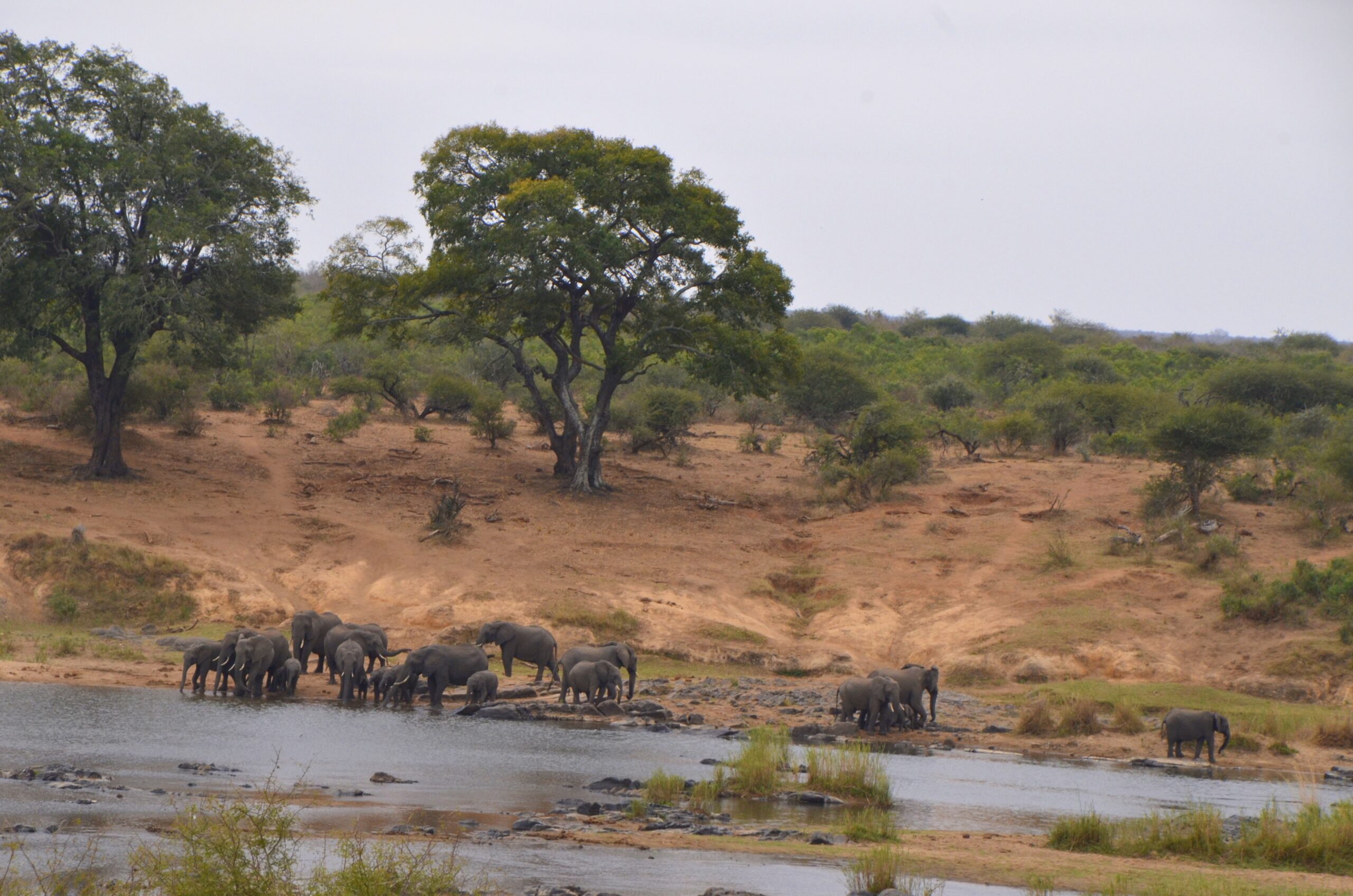
Herd of elephants in Kruger National Park
☀️ Dry season (May – September): maximum wildlife visibility
🌤 This is the classic safari season.
• 🌞 cool, sunny days
• 💨 little rain
• 🐜 fewer mosquitoes
• 🐘 animals gather around water
🎯 Ideal for:
• 📸 wildlife photography
• 🐆 spotting predators
• 🥾 guided walks (bush walks)
• 🚙 sunrise and sunset safaris
🔥 ‘National Geographic’ scenes are more frequent at this time of year.
You may also find this helpful: Depending on when you travel, you could choose a 4-day Kruger safari from Maputo, a safari in Hlane Royal National Park or a Mozambique safari and beach holiday.
For all these reasons, the dry season is the most popular time for Kruger safaris from Maputo, especially for travellers seeking maximum wildlife visibility.
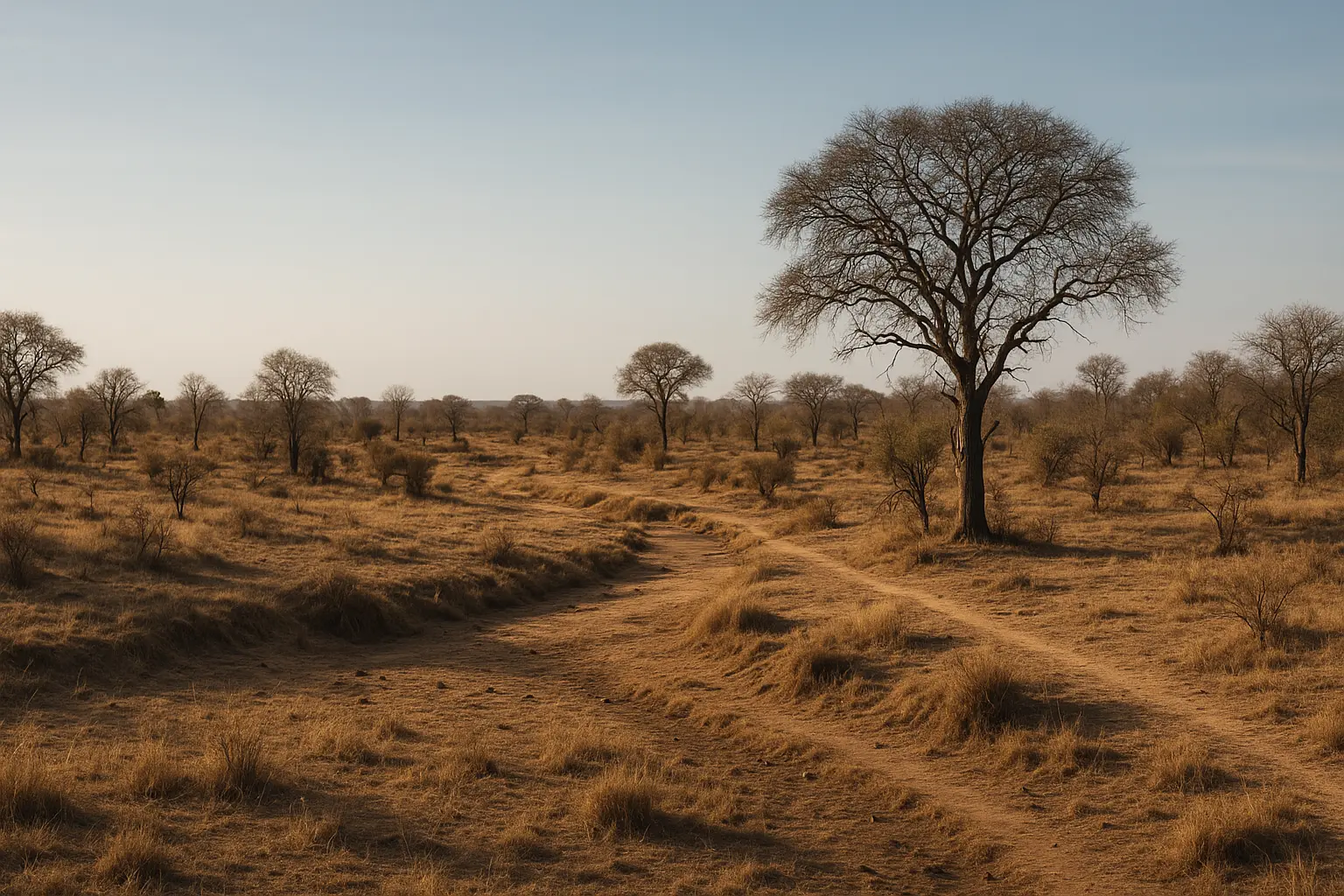
Dry season in Kruger National Park, South Africa
🌧 Wet season (October – April): cinematic green landscapes and migratory birds
🌿 The landscape changes with the first rains:
• 🌳 vegetation returns
• 🦌 antelopes, zebras and giraffes give birth
• 🐦 migratory birds arrive from Europe and Asia
🌈 Advantages:
• 🏨 better accommodation rates in some areas
• 📷 photogenic green landscapes
• 💚 high breeding activity
• ⛈ dramatic skies for storm photography
🌺 Perfect for travellers seeking nature in all its richness, not only the Big Five.
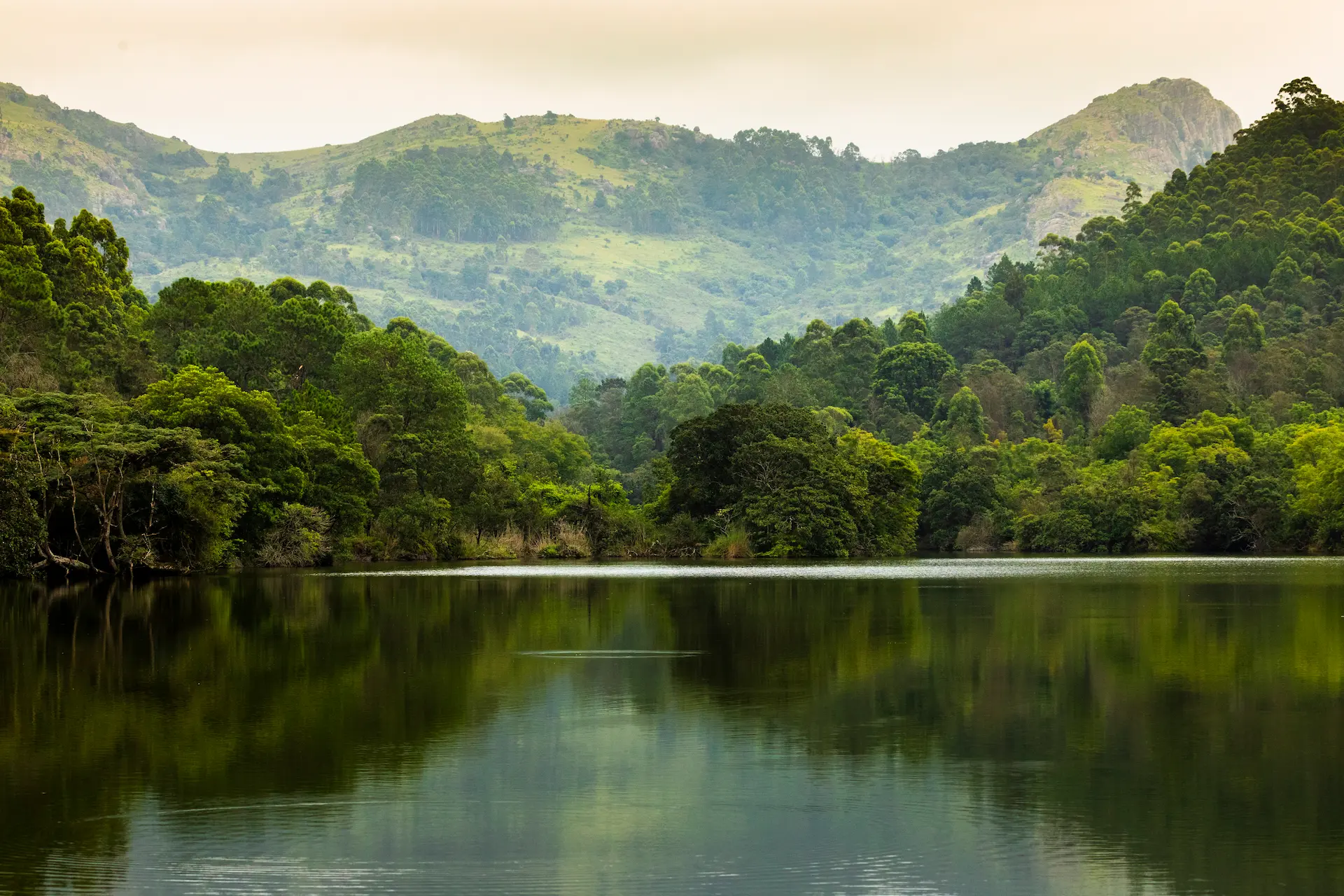
Lake at Mlilwane Wildlife Sanctuary, Eswatini
📍 Seasonal differences by country and park
🗺 Country / Park — Climate — Recommended travel window
🇿🇦 South Africa — Kruger (south) — dry winter, cold nights — May–September
🇿🇦 South Africa — Tembe Elephant Park — warm and subtropical, humid in summer — July–October
🇸🇿 Eswatini — Hlane / Mkhaya / Mlilwane — similar to Kruger — June–August
🇲🇿 Mozambique — Maputo Reserve + coast — temperate and humid — July–October
🇲🇿 Mozambique — Gorongosa National Park — tropical climate — July–October
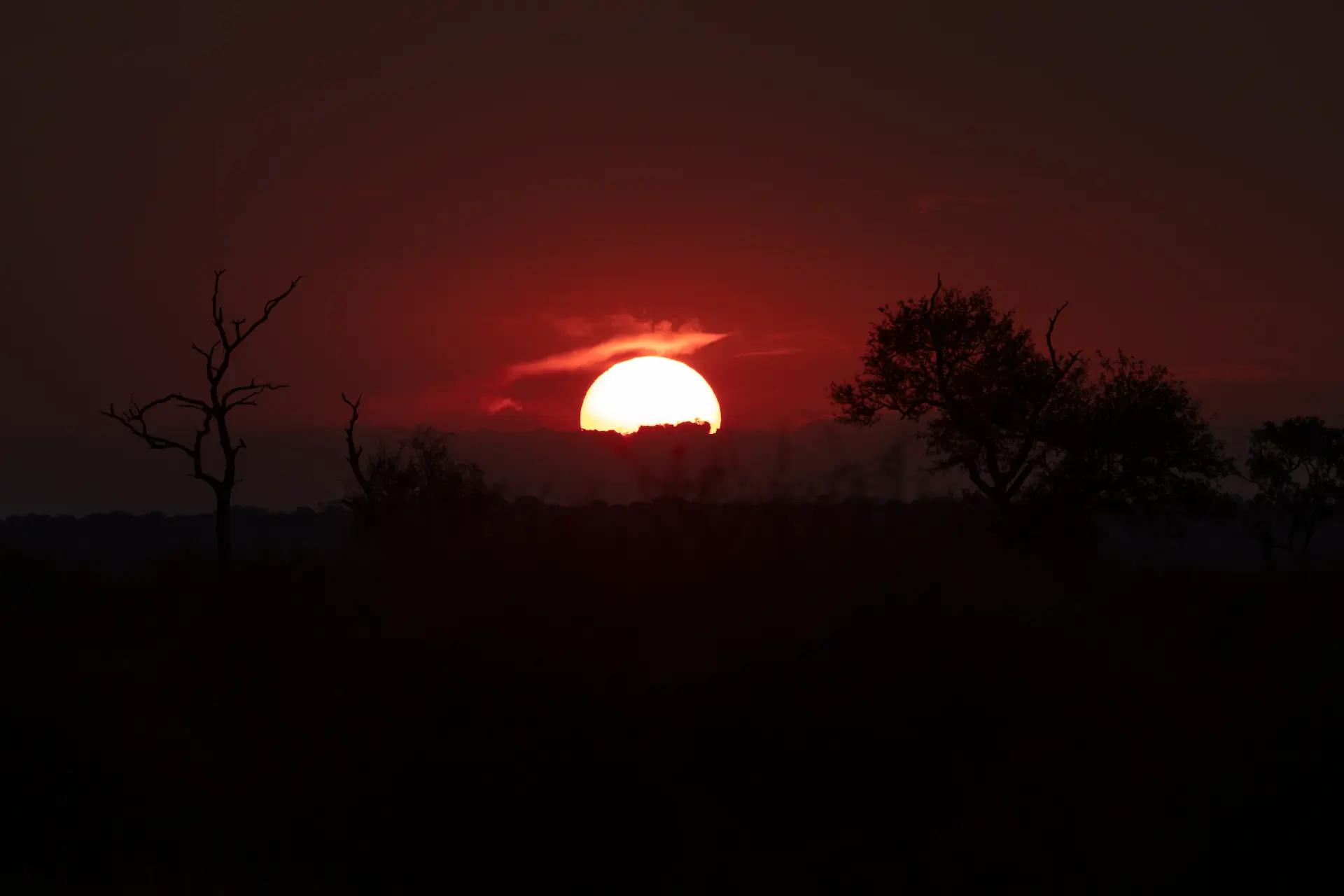
Sunset in Hlane, Eswatini
🦁 South Africa: Kruger and Tembe Elephant Park
🐾 Kruger National Park
📌 Southern Kruger (Crocodile Bridge / Lower Sabie / Berg-en-Dal) is the most consistently rewarding area for wildlife sightings.
If you are travelling from Mozambique, find more practical information in our complete guide to a Kruger safari from Maputo, including routes, realistic journey times and seasonal advice.
• ❄️ winter: best for large herds and predators. These conditions are ideal for a 3- or 4-day Kruger safari from Maputo, making the most of sunrise, sunset and key routes in the south of the park.
• 🌿 summer: dense vegetation but spectacular light for photography
🐘 Tembe Elephant Park (KwaZulu-Natal)
🌍 Tembe is famous for something unique: some of the largest elephants on the continent.
📅 Its best season is almost the same as Kruger's:
• ⭐ July–October = ideal balance
• 🌧 summers are wetter → vegetation reduces visibility
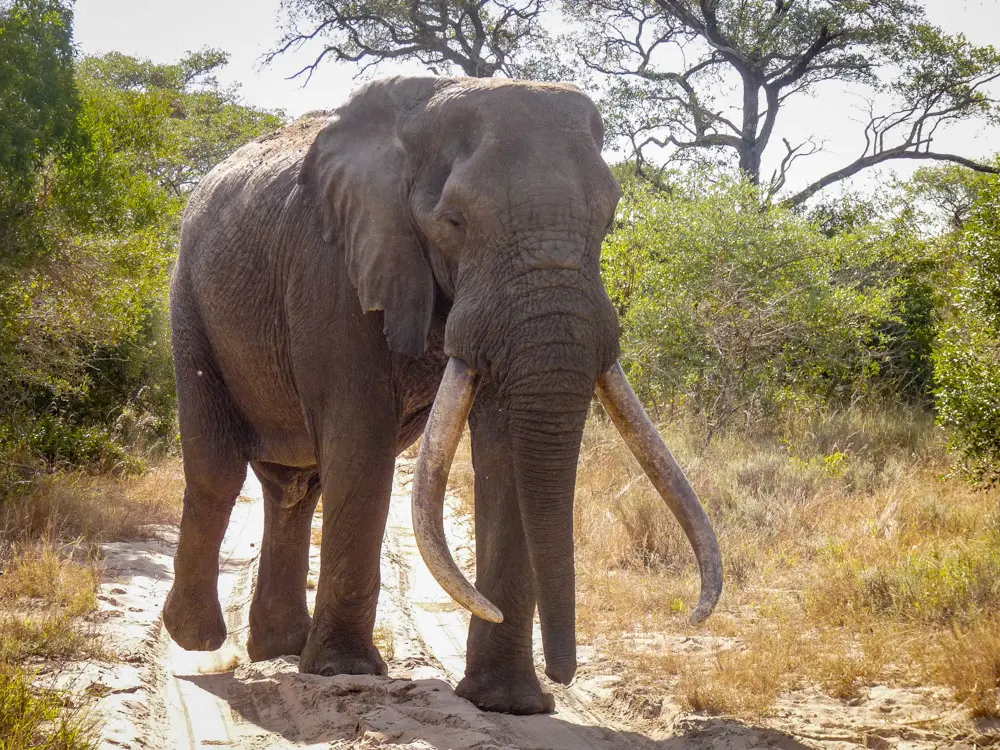
Tembe Elephant Park in South Africa from Maputo
🇸🇿 Eswatini: Hlane, Mkhaya and Mlilwane
🦁 Hlane Royal National Park: the kingdom of large wildlife
Hlane is Eswatini's most iconic park and one of the country's best places to see lions, elephants and rhinos in their natural habitat.
The dry season, especially from June to August, offers the best conditions:
- Low vegetation → maximum visibility
- Large mammals gathering around water sources
- Cool temperatures, ideal for sunrise safaris
- Greater predator activity in the early morning
It is an essential destination for travellers seeking a traditional safari with large wildlife without the crowds found in other African parks.
🐾 Mkhaya Game Reserve: the ‘boutique’ rhino reserve
Mkhaya is considered a hidden gem in Eswatini. This intensively managed conservation reserve is renowned for protecting white and black rhinos and offering a more intimate, exclusive safari experience.
What makes it special:
- Safaris in enclosed, uncrowded areas
- Close-up rhino sightings with a focus on conservation
- A quieter experience, ideal for photography and environmental education
The dry season (June–August) is also the most reliable time to see them at close range, as the vegetation thins and animals follow more predictable routes.
🌄 Mlilwane Wildlife Sanctuary: nature, walking and cycling
Mlilwane is the country's most accessible sanctuary and an ideal place for outdoor activities such as:
- Walking trails
- Mountain biking
- Sunset photography
Its hills, open grasslands and golden light are particularly beautiful in autumn and winter, when the air is clearer and the weather more settled. Although it is not a park for large predators, it is home to zebras, wildebeest, impalas and a wide variety of birds.
Mlilwane is ideal for travellers who want to combine wildlife + physical activity + landscapes.
📅 Best overall window: June–August
‘You can also visit these parks on our Hlane and Mkhaya tours, which are ideal during these months.’
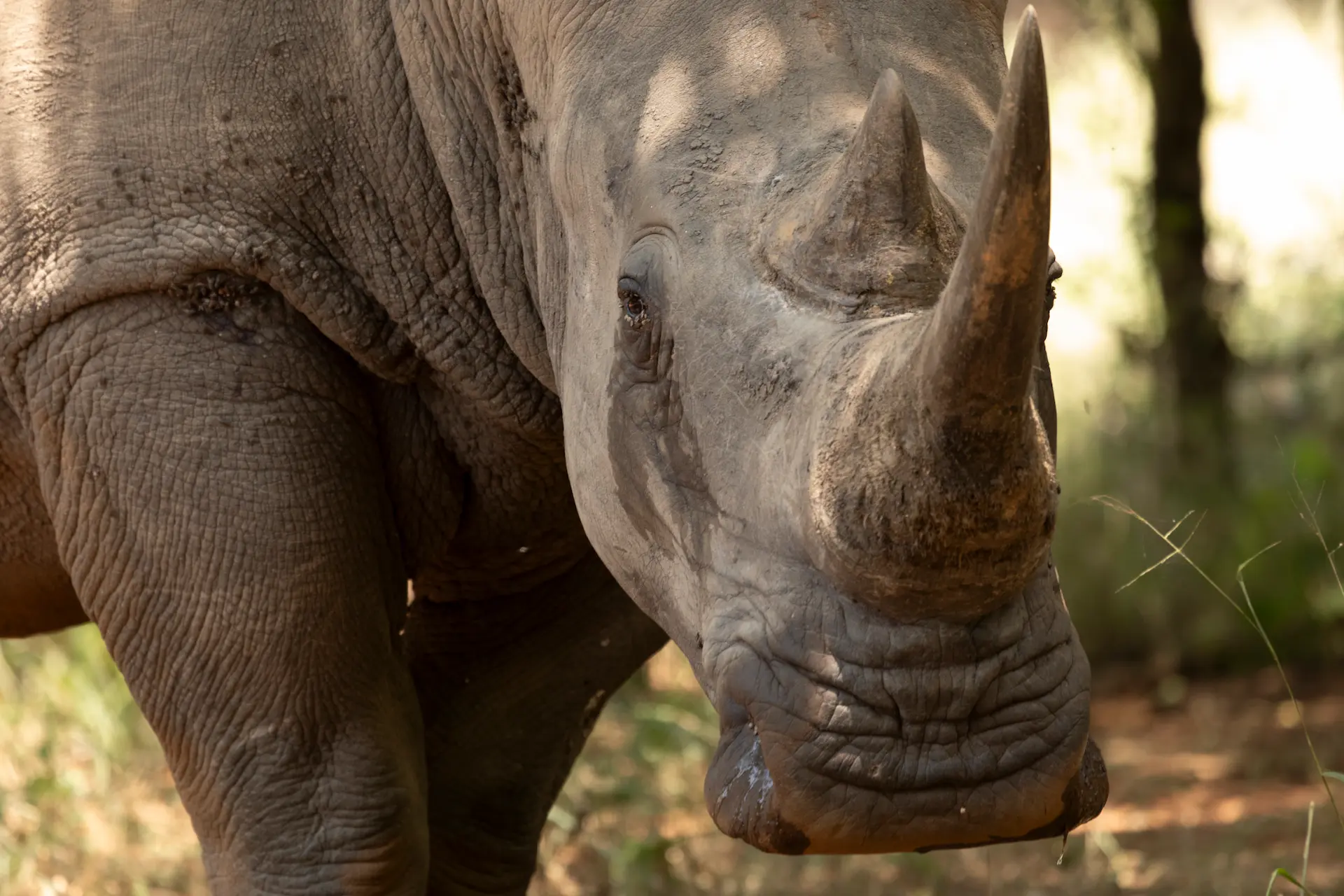
White rhino in Hlane, Eswatini
🇲🇿 Mozambique: Maputo Reserve + Gorongosa National Park – Best Time for a Safari
Mozambique is known not only for its beaches, but also for two wildlife destinations regaining prominence in Southern Africa: Maputo Special Reserve, within easy reach of the capital, and the impressive Gorongosa National Park, considered one of the continent's most successful restoration projects. The two areas offer very different yet complementary safari experiences.
🦌 Maputo Reserve: wildlife on the capital's doorstep
Maputo Reserve is one of the most surprising places for travellers leaving the capital who want to enjoy a safari without spending long hours on the road. This coastal ecosystem combines:
- Herds of elephants
- Areas of woodland and savannah
- Wetlands teeming with birds
- Unspoilt beaches where antelopes and baboons can sometimes be seen
It is an ideal option for a short or half-day safari, especially for travellers arriving in Maputo who want to add a wildlife experience without a long detour.
📅 Best time: July–October
During these months:
- Low vegetation → better visibility
- Lagoons shrink → more wildlife gathers in specific areas
- Elephants move more frequently between open areas
- The weather is cool and dry → roads are more accessible
This is the perfect season for photography and for avoiding rainy days that may affect access.
🌋 Gorongosa National Park: a treasure reborn
Gorongosa National Park is one of Mozambique's most iconic destinations. After years of restoration, it has become a symbol of conservation thanks to its unique biodiversity:
- Large herds of antelopes, buffaloes and elephants
- Recovering predator populations, including lions and leopards
- Lakes filled with waterbirds, hippos and crocodiles
- Montane forests and volcanic landscapes around Serra da Gorongosa
For travellers interested in pristine nature and conservation projects, Gorongosa is an essential destination in Mozambique.
🌱 June: the vegetation begins to open up
From June, the dry season begins to clear the trails:
- Less undergrowth → easier routes
- Animals begin to gather around water sources
- The weather is cooler and more comfortable for long safaris
It is a good month for travellers seeking quieter days and fewer visitors.
⭐ Peak season: July–October
These months are the very best time to visit Gorongosa:
- Maximum visibility
- Roads in better condition
- Higher concentrations of wildlife
- Clear skies for photography
- More intense activity around waterholes and rivers
This is the season when Gorongosa is at its best.
⚠️ Wet season: difficult access
Outside the dry season (November–April):
- Heavy rain → some roads may close temporarily
- Dense vegetation → more difficult sightings
- Higher humidity and temperatures
That is why most travellers choose to visit the park during the dry season.
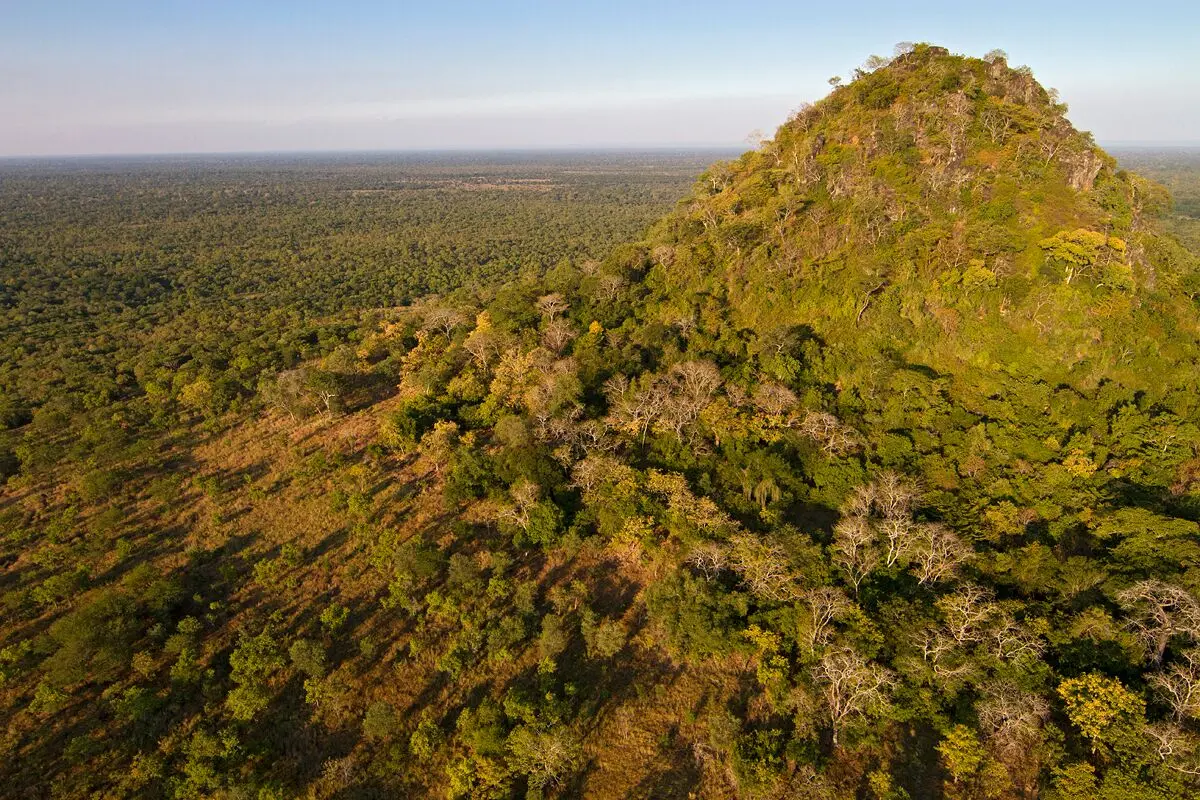
Gorongosa National Park, Mozambique
🦓 How Big Five sightings change by month
• 🦁 Lions → In winter (June–September), they are more visible because they lie in open areas to bask in the sun. In summer, they seek shade and can be harder to spot at midday.
• 🐘 Elephants → From May to October, they gather around rivers and dams; in summer (November–April), they disperse more widely because water is available everywhere.
• 🦏 Rhinos → During the dry season (June–October), they are easier to spot in open areas such as Hlane, Mkhaya and Tembe, where the vegetation is low.
• 🐃 Buffaloes → Large herds form in winter (June–September); in summer, they tend to disperse more widely.
• 🐆 Leopards → They are much easier to spot from July to October, when the grass is low and their territory is more exposed.
📸 Photography: when to capture the best images
✨ winter = clean light, texture, sharp detail
⛈ summer = dramatic clouds, cinematic storms
🕐 always the best times:
🌅 sunrise and sunset
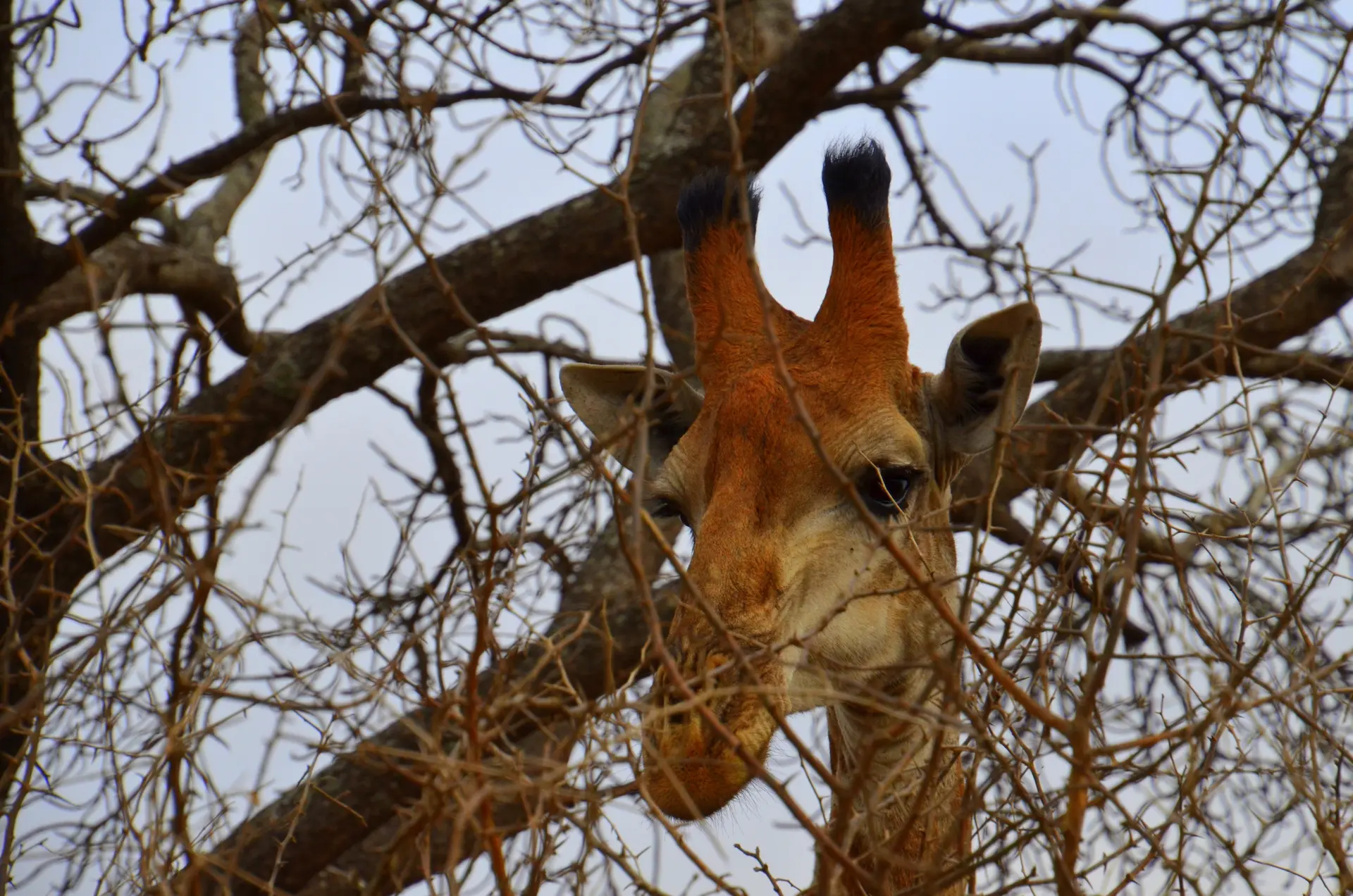
Giraffe in Kruger National Park, South Africa
🌴 Safari + beach?
The most balanced option is a combined Kruger safari and Mozambique beach holiday, bringing together wildlife and time to unwind beside the Indian Ocean during the best season of the year.
🏖 A Kruger + Mozambique trip works best between July and October because:
• 🦁 Kruger is at its best
• 🌞 the Mozambican coast has ideal weather
‘You can combine our Kruger safaris with beach extensions in Mozambique (Ponta do Ouro, Santa Maria, Vilanculos, Tofo Beach, Mozambique Island, the Bazaruto Archipelago, etc.).’
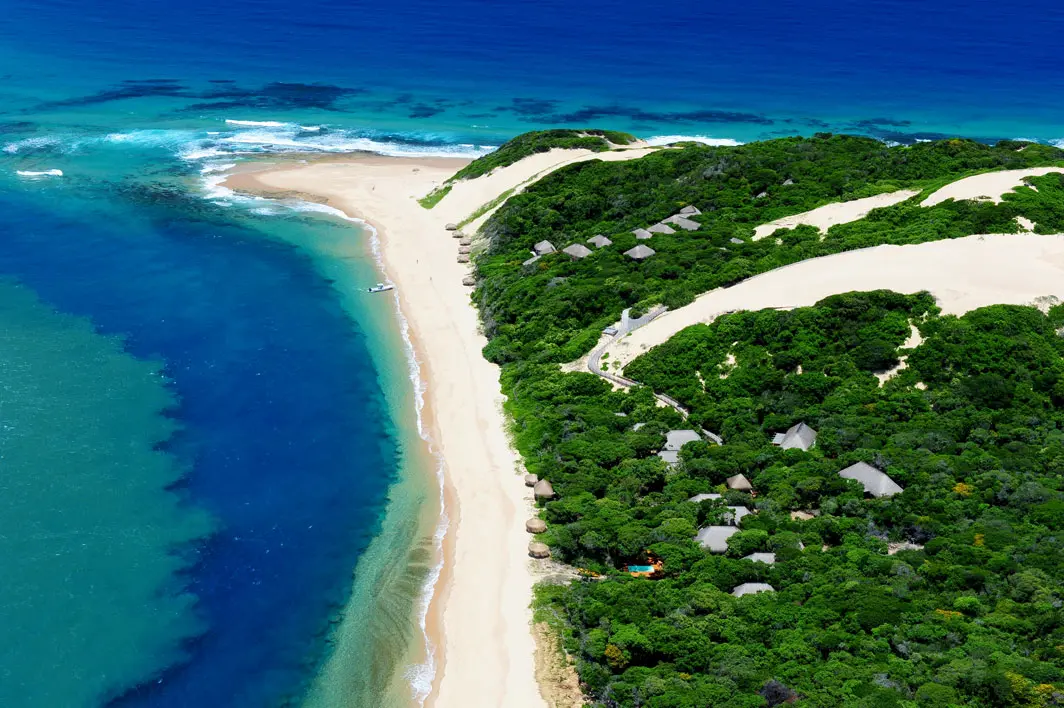
Machangulo Beach Lodge, Machangulo Peninsula, Mozambique
🧭 Which month suits your travel style?
📊 Type of traveller — Suggested month
📷 photographers — August–September
👨👩👧 families with children — July–August
🐦 birdwatching — November–March
💑 couples / honeymooners — August–October
🌿 lovers of green landscapes — December–February
✅ Conclusion
🎯 The best all-round time: May–September
✨ but your best time depends on what you want to see.
🌍 A safari is not about the calendar — it is about the experience.
🤔 FAQs
❓ Does it rain all day in summer?
➡️ No. Showers are brief and usually arrive in the afternoon.
❓ Is it cold in winter?
➡️ Yes at sunrise, but midday is mild and pleasant.
❓ Do the animals disappear in the rain?
➡️ No. They spread out, but can still be seen.
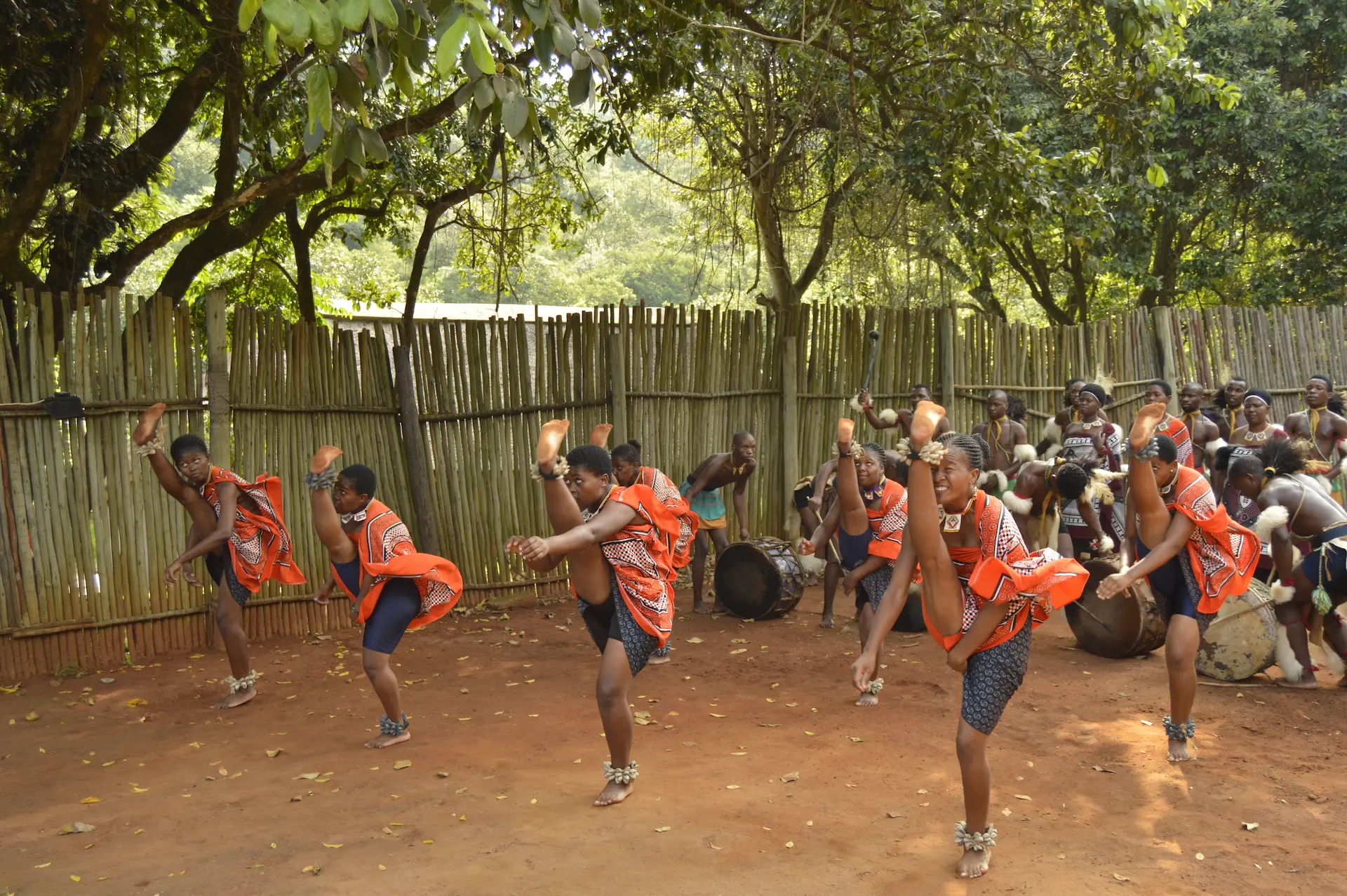
Traditional dances at Mantenga Cultural Village, Eswatini
📣 CTA
👉 Tell us what you want to see (Big Five, birds, photography, safari + beach)
👉 and we will recommend your ideal month.
‘Explore our safaris from Maputo and we will help you choose the best month for your travel style.’